


Scientific Name: Hibbertia scandens
-
Pronunciation:hee-BERT-ee-ah SCAN-dens
-
Common Name:Twining Guinea Flower
-
Type:
-
Family:DILLENIACEAE
-
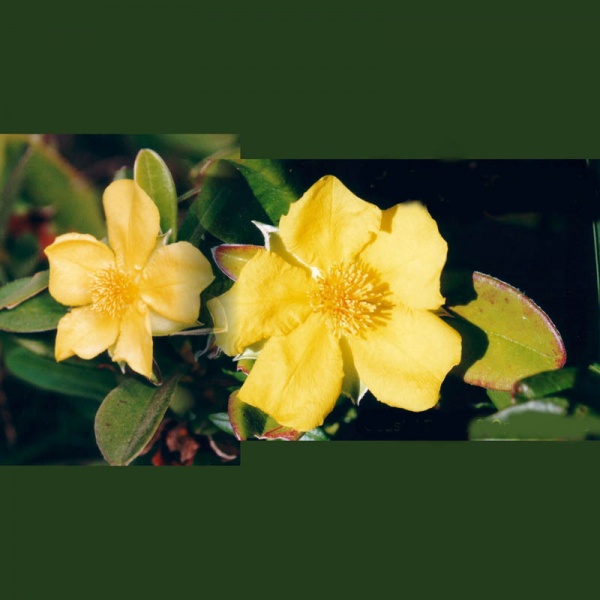
Flowers:5-petaled yellow flowers to 3-4 cm.
-
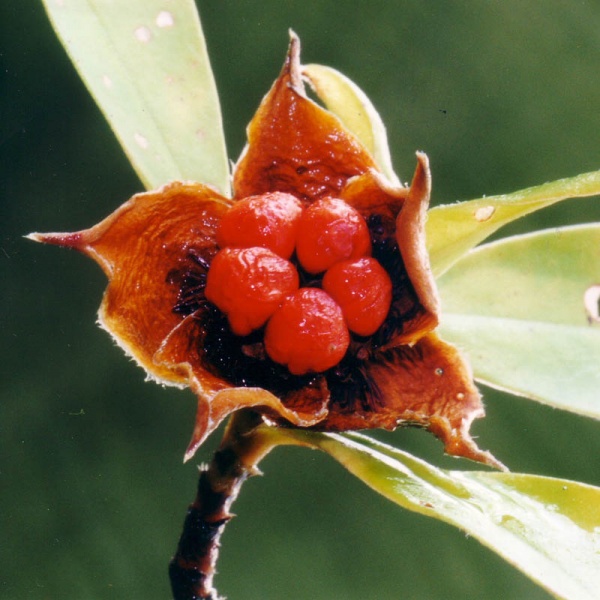
Fruit:Seeds in bright red aril
-
Vegetation Type:Seacoast, wet eucalypt forest, rainforest edges
-
Species List:EdingtonDr, Cooroibah, Weyba Esp, SBHS, Plants for Coastal Gardens, Landcare Display Garden, Emu Swamp, FI Podberscek, NLTalks2010, Peregian Boardwalk, Wooroi Day Use Area Tracks, NNP Parkedge/Alex, Pacific Lutheran College, NNP service road, Kingfisher Bay Resort, Cooloothin Corner, Banana, Fraser Island, Mill Point, Johns, Cooroibah Conservation Park, Cooroibah Bushland Reserve, Cranks Creek, Batianoff 87, Leslie Drive Roundabout, Noosa North Shore PS, TAFE, Girraween, Noosa Banks, BHNR, NNP Coastal, NNS Fern Track, Arthur Harrold NR,, NNS, Upper Yandina Creek, Heritage Park,
Identification Notes
Large flowers||Leaves are large and shiny, alternate, tough and often hairy below. The edges can be toothed or entire (not toothed).|| Grows in a variety of vegetation communities
Associated Fauna
Orange berries relished by birds.||Important pollen source for insects
Landscaping Notes
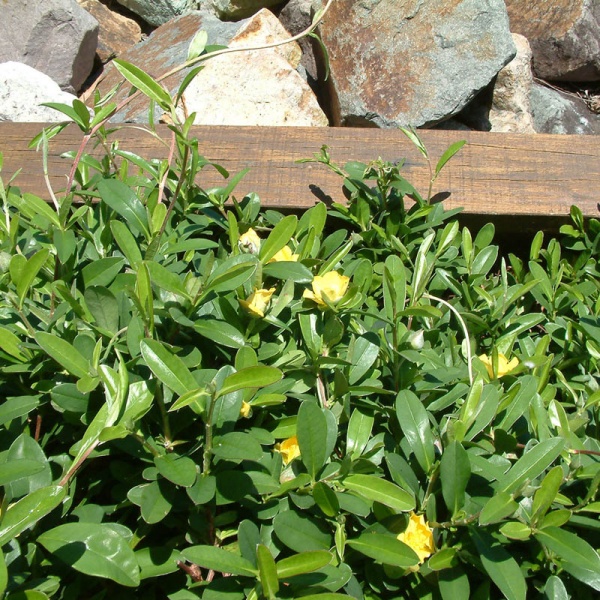
Great landscaping plant - ornamental, adaptable and attracts beneficial insects. Will scramble over vegetation and up trees. Withstands extreme conditions. Useful groundcover (see local roundabouts). Useful for exposed seaside planting. Well drained soil. Sun or part shade. Prune to encourage bushy growth