


Scientific Name: Lomandra longifolia
-
Pronunciation:lo-MAND-rah lon-gah-FOAL-ee-ah
-
Common Name:Mat-rush
-
Type:
-
Family:LAXMANNIACEAE
-
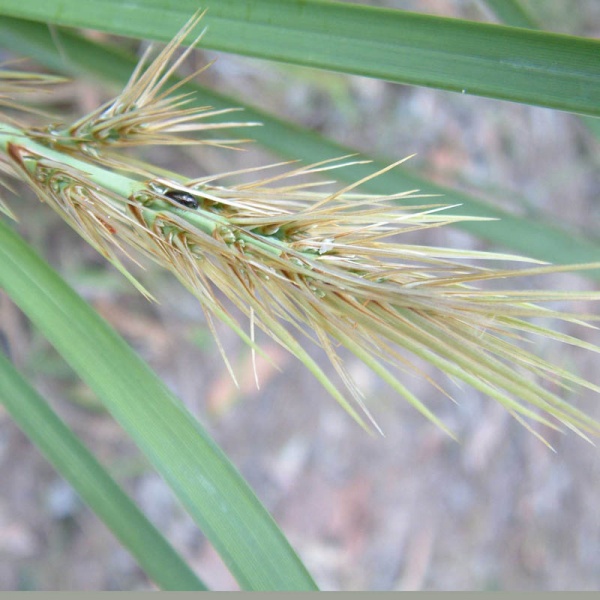
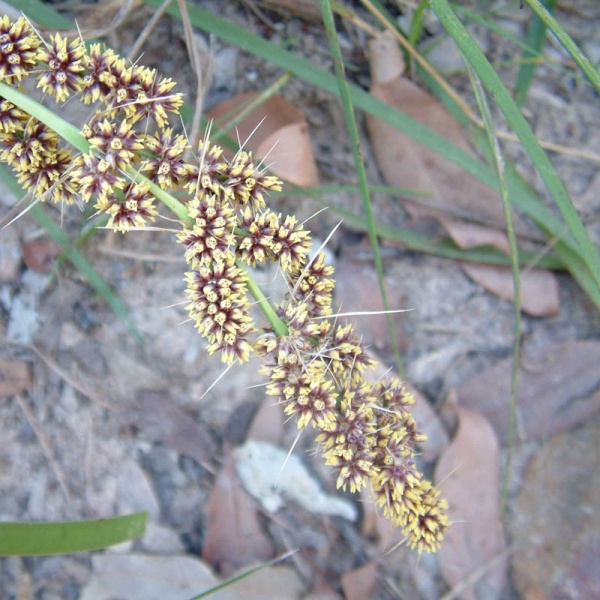
Flowers:Cream perfumed flowers on spikes shorter than leaves, spring and summer
-
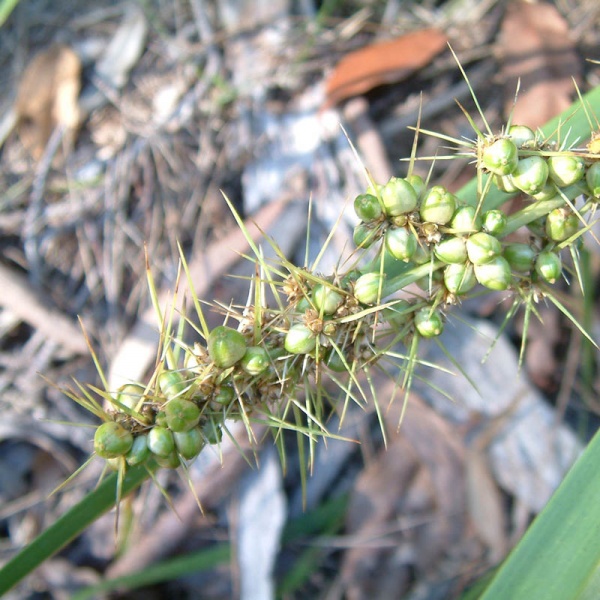
Fruit:Capsule, 5 mm.
-
Vegetation Type:Eucalypt Forest along watercourses, Rainforest edges, and in drier areas
-
Species List:EdingtonDr, Cooroibah, Weyba Esp, Plants for Coastal Gardens, Bush food, Craft, Biosphere Day Noosa Woods, Weyba Nature Refuge, Eumarella Rd., Mooloolaba TAFE, Boreen Point Caravan Park, Wooroi Day Use Area Tracks, NNP service road, Cooroibah 26.4.09, Wooroi Palm Grove, Cooloothin Corner, Banana, Old Tewantin, Tewantin Forest Gyndier, Fraser Island, Mill Point, Cooroibah Conservation Park, Cooroibah Bushland Reserve, Cranks Creek, NNS, Boreen Point,TAFE NNP Tanglewood Noosa Banks NNP Coastal Noosa River NP BHNR, Stratford Park, Heritage Park, Wallace Park,
Cultural Notes
TAKE CARE! Some information about bush foods and medicines may be anecdotal. Correct identification and preparation is essential:
Tough leaves used for making baskets, as well as ligatures in case of injury. Settlers in Port Macquarie used the leaves for tying up grape vines.
Bush food. White leaf bases eaten.The bases of mat rush leaves taste like green peas
Provided the Cadigal (NSW aboriginal tribe) with seeds which were ground into a flour to make cakes. The tender leaf bases were eaten and have a pea-like flavour. (Sydney Botanic Gardens)
Identification Notes
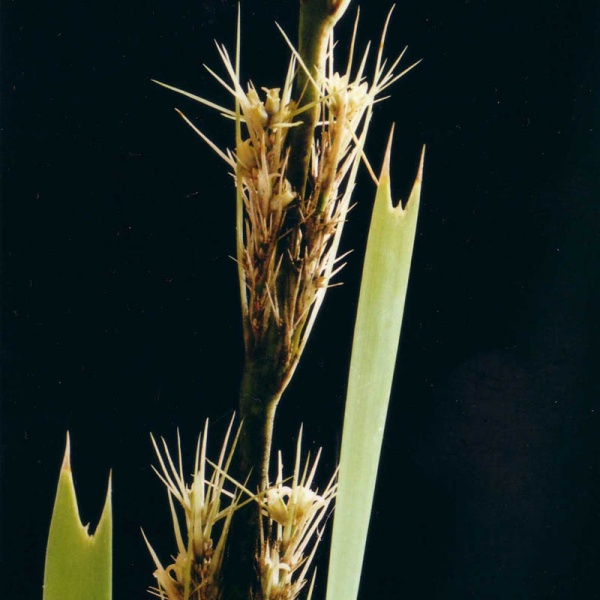
Lomandra longifolia has a \'valley\' shaped leaf tip, whereas Lomandra hystrix has a \'mountain\' shaped leaf tip. Lomandra longifolia has stiffer grey-green leaves compared to the softer greener leaves of Lomandra hystrix.
Associated Fauna
Butterfly host plant: Common white spot skipper, Eliena skipper, Laccus skipper, Rare white spot skipper, Symmomus skipper
Landscaping Notes
Hardy, robust clumping plant. Tolerates a wide range of conditions from wet to dry soils, sun to shade. Widely used in landscaping and streetscaping. Useful for erosion control and waterway bank rehabilitation. Indoor pot plant potential.