


Scientific Name: Backhousia myrtifolia
-
Pronunciation:back-HOWS-ee-ah mer-tee-FOAL-ee-ah
-
Common Name:Grey Myrtle, Cinnamon Myrtle
-
Type:
-
Family:MYRTACEAE
-
Status:Common
-
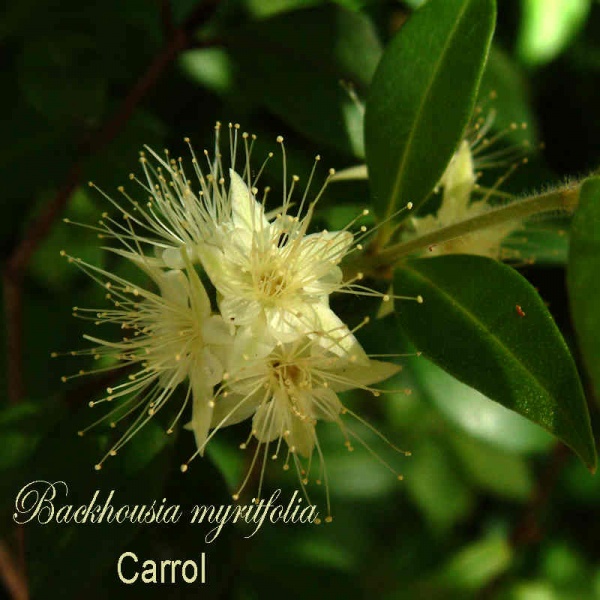
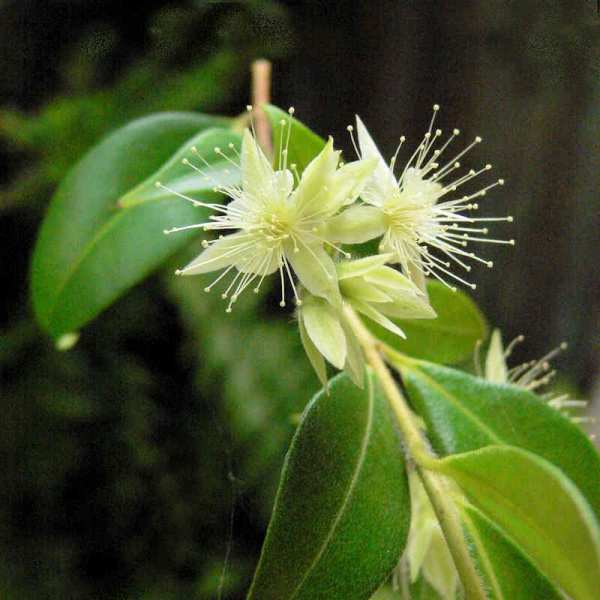
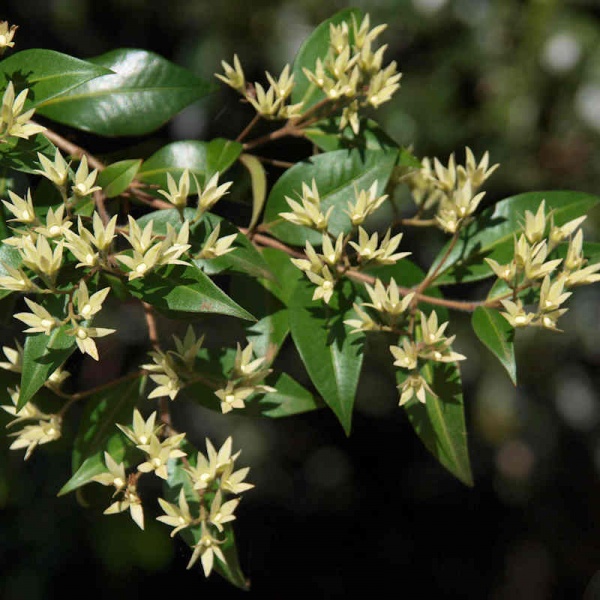
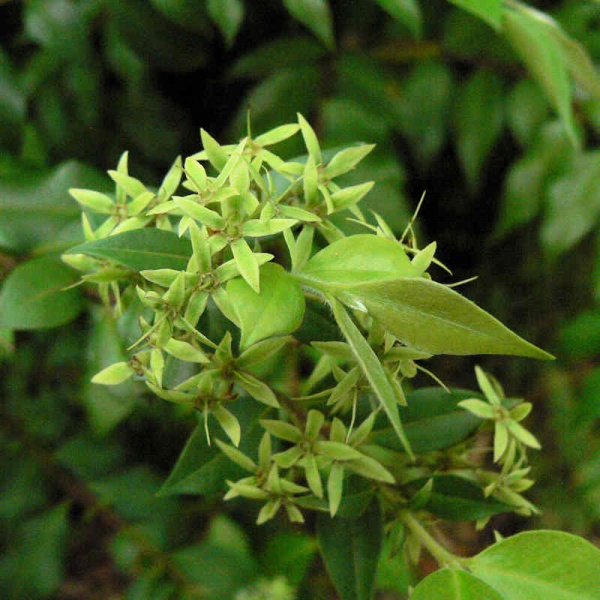
Flowers:White with persistent larger yellowish green calyx. Spring, summer.
-
Fruit:Woody brown seed capsule to 7mm
-
Flowers Color:White
-
Fruit Color:Brown
-
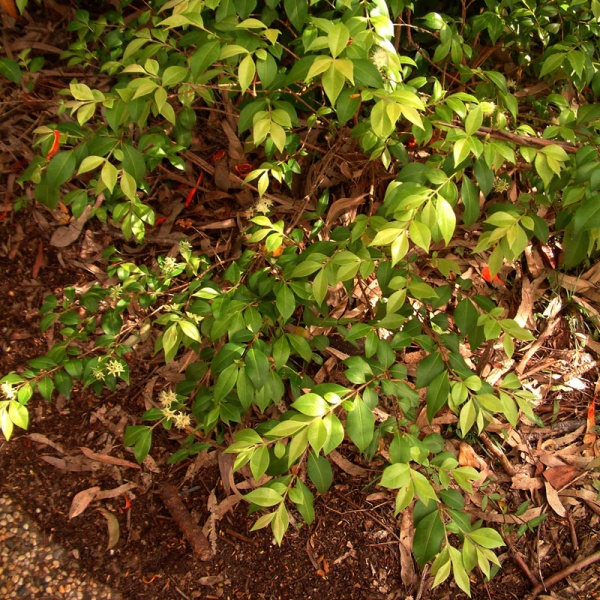
Vegetation Type:Rainforest, Wet Eucalypt Forest. Grows along gullies and watercourses
-
Species List:Community Gardens, Landcare Display Garden, Hedges, Bush food, Craft, FI Podberscek, Wooroi Day Use Area Tracks, Old Tewantin, Tewantin Forest Gyndier, Fraser Island, NNP Viewland/Brunjes, Upper Yandina Creek, Kin Kin Scrub, Heritage Park, RE 12.2.3. RE 12.9-10.16. RE 12.9-10.16x1.
Cultural Notes
TAKE CARE! Some information about bush foods and medicines may be anecdotal. Correct identification and preparation is essential:
Fine grained hard tough timber limited use for tool handles fishing rods and bows
Bush Food: Leaves can be substituted for bay leaves. Leaves can be dried, crushed and used for flavouring.
Identification Notes
Crushed foliage is highly aromatic. Sepals 2 to 3 times as long as wide, acute, all similar in size.||
Associated Fauna
Nectar feeding butterflies||
Landscaping Notes
Noosa Council Preferred Species list. Good ornamental shrub. Useful windbreak , screen or hedge. Grows in sun or semi-shade and is tolerant of a range of conditions provided it is not allowed to dry out. Aromatic leaves can be utilised in sweet and savoury dishes. ||Indoor pot plant potential.||Propagation is from seed, which can be sown with the spent flower still intact; and from cuttings. |